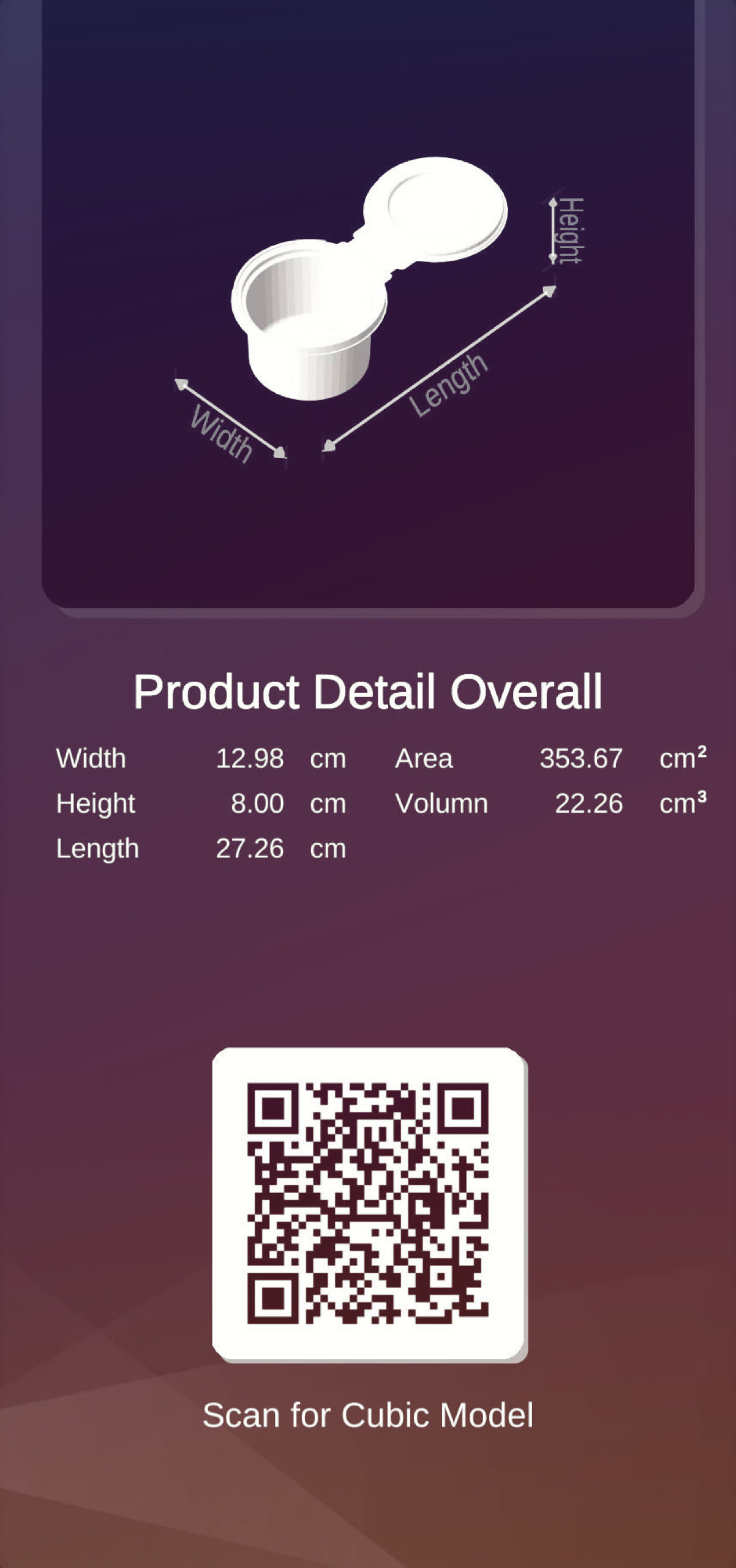
CUBIC™ transforms any physical packaging into an AI-powered conversational digital twin. Customers can speak directly to the package, and it responds in real time—answering questions, sharing product stories via smartphones, strengthening brand equity and building customer loyalty.
Ideate your package for free. No credit card required.
What are the ingredients?
Hi! I contain 100% natural ingredients... 🌿
CUBIC™ IN ACTION
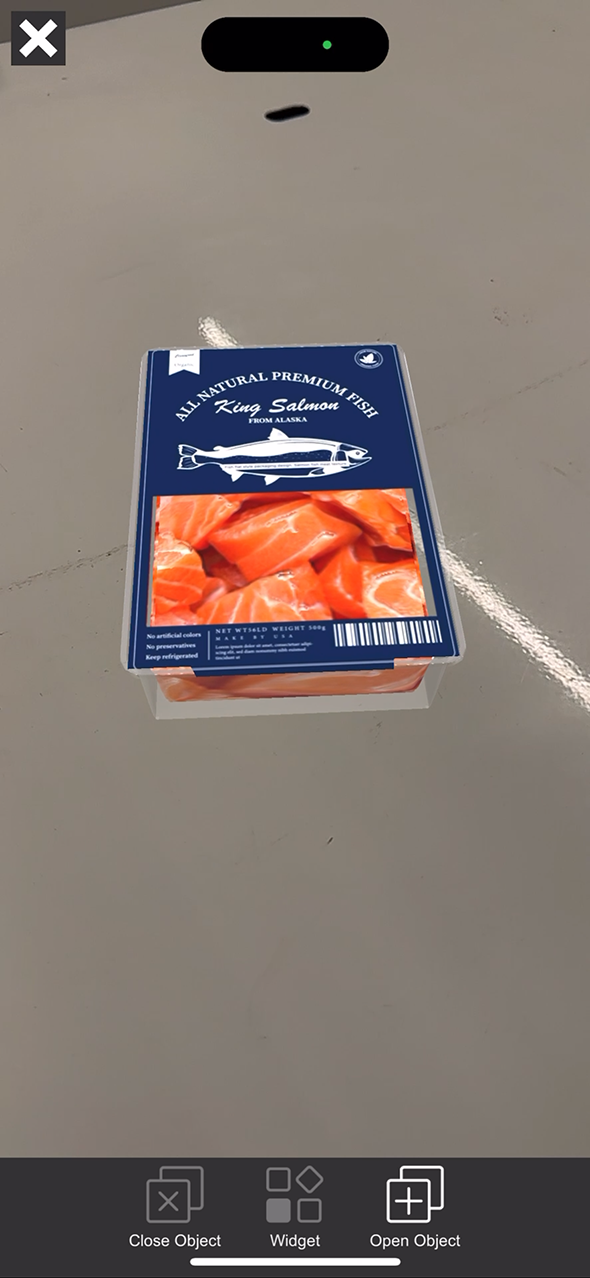
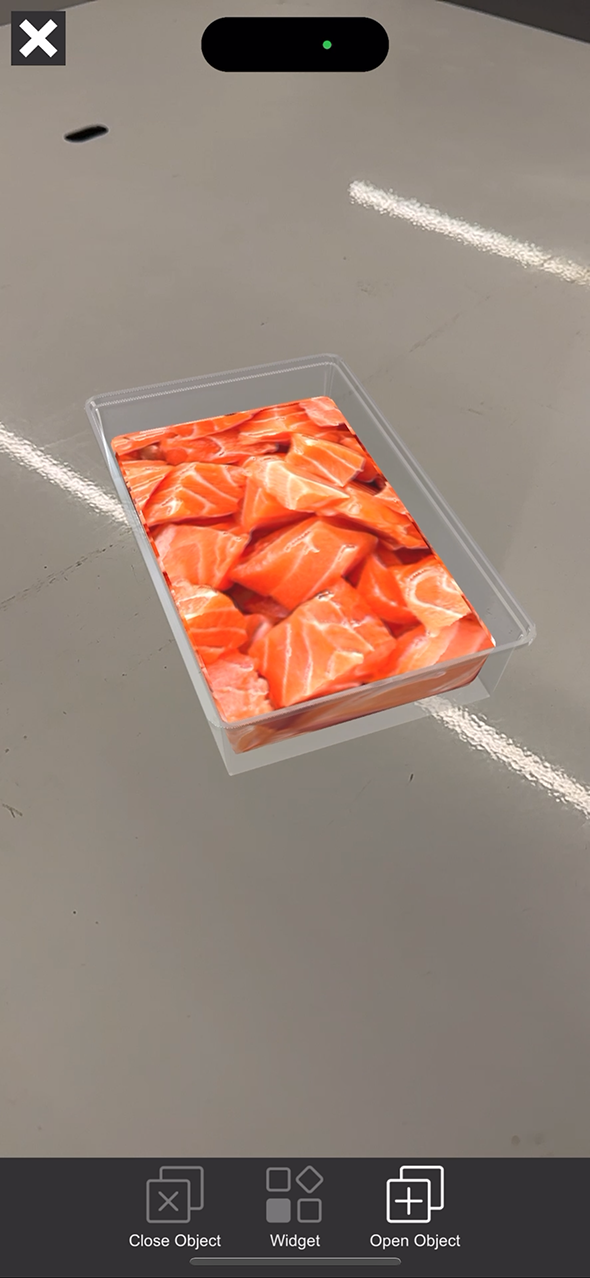
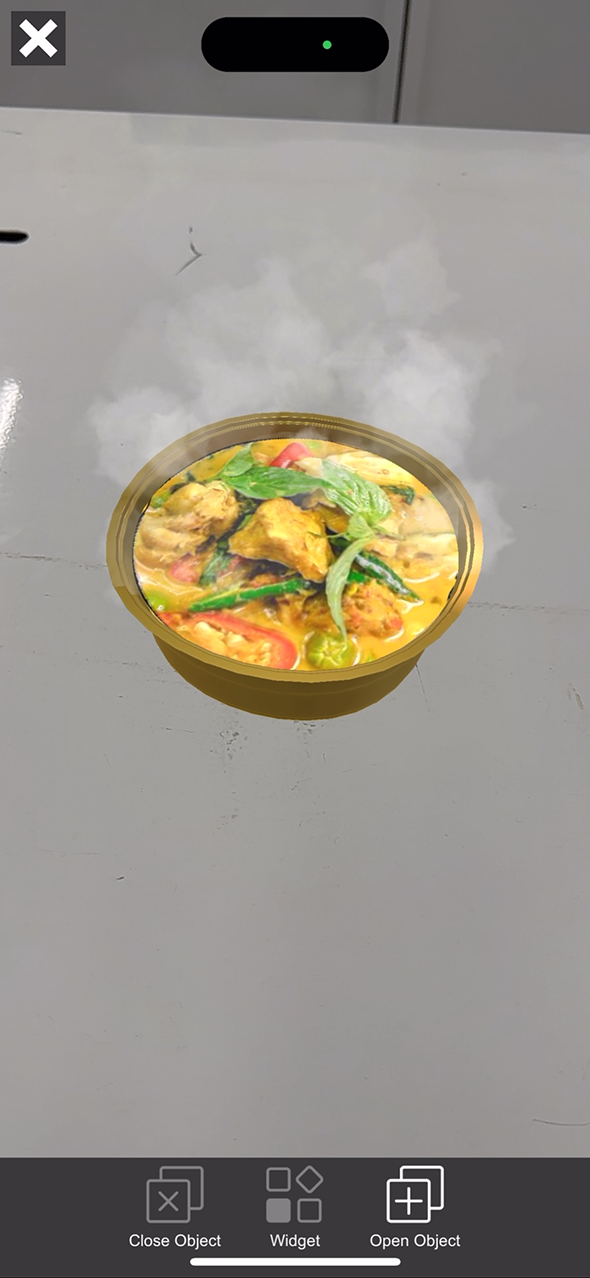
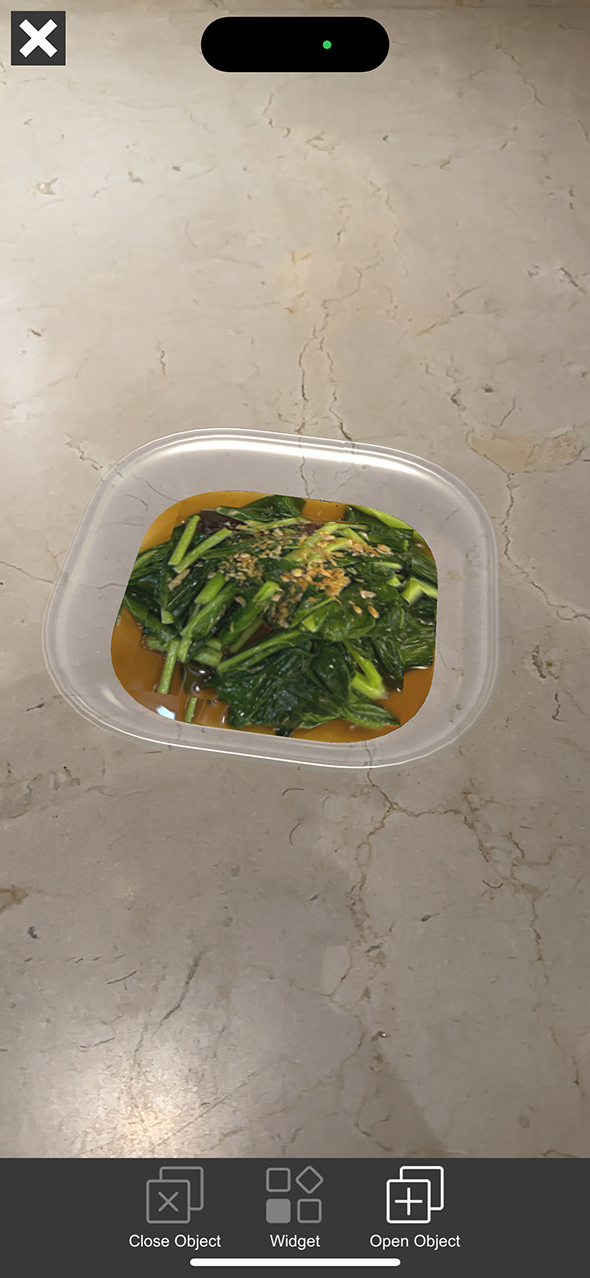
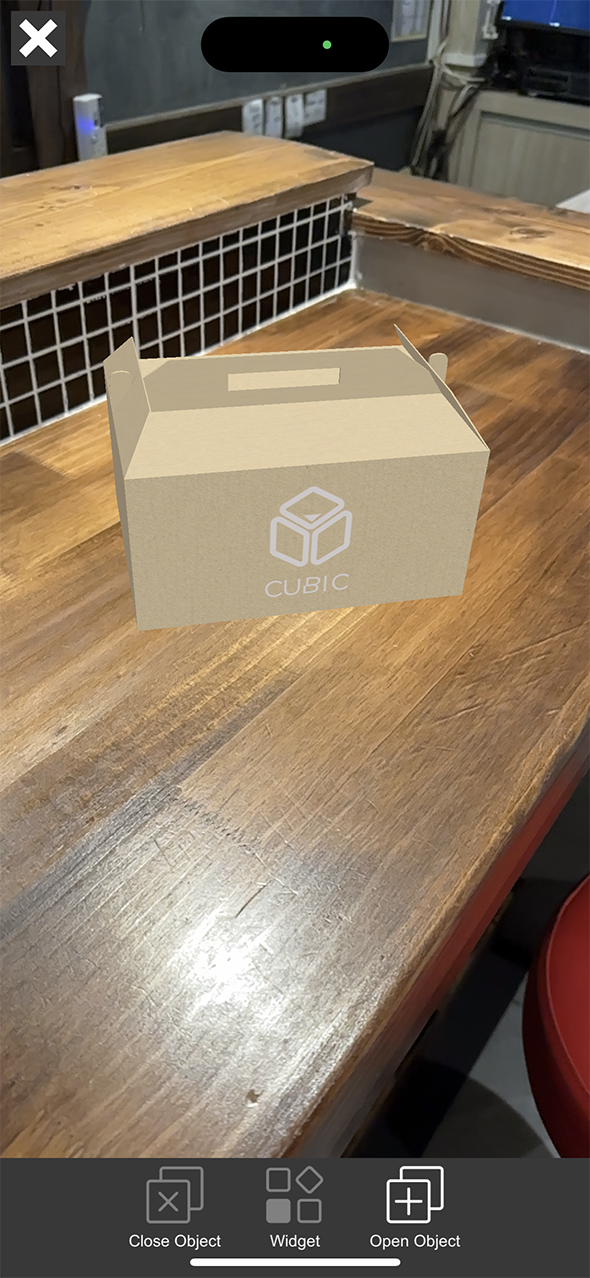
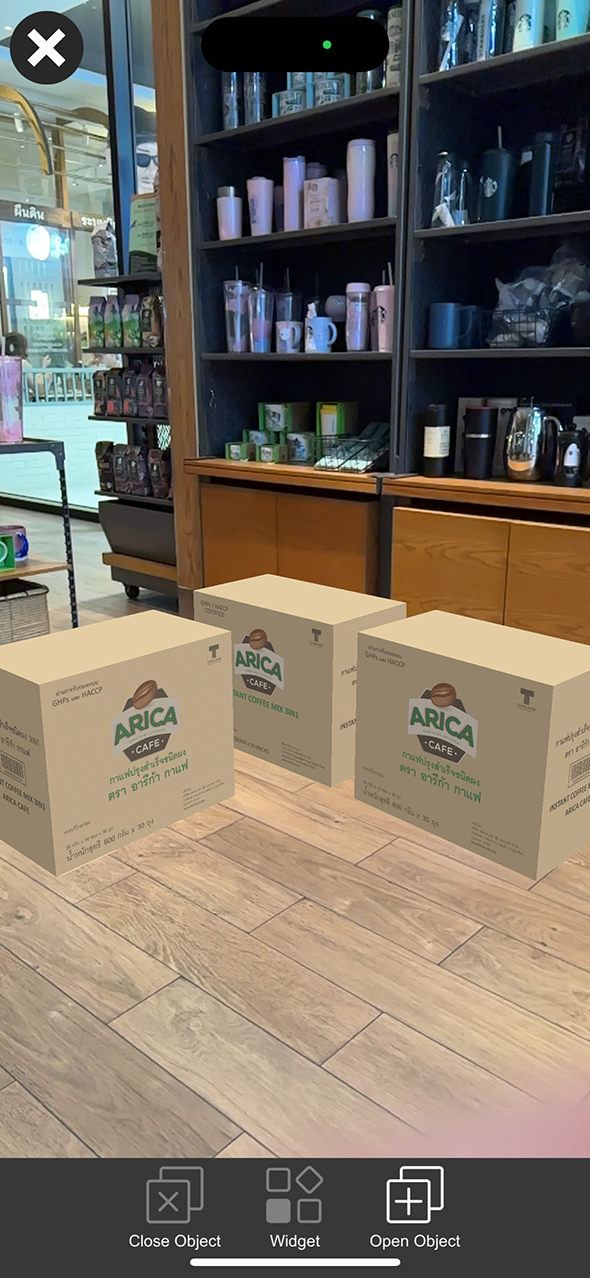
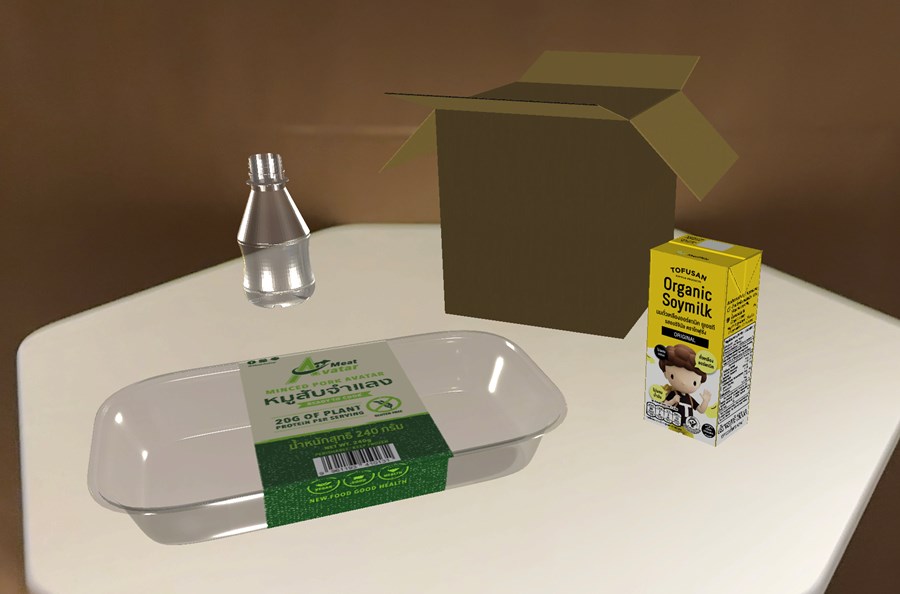
CUBIC allows user to experience packaging design in real-world environment using augmented reality technology. Packaging designer can compare and contrast their design with other models side-by-side in the same physical space to select the most appropriate packaging design for given requirements to gain a competitive advantage in the real market.
Video #1 : Viewing
Packaging Models
in Physical
Space
Video #2 : Inserting Graphic Labels on Packaging Surfaces
Along with the real-time visualization in the design mode,
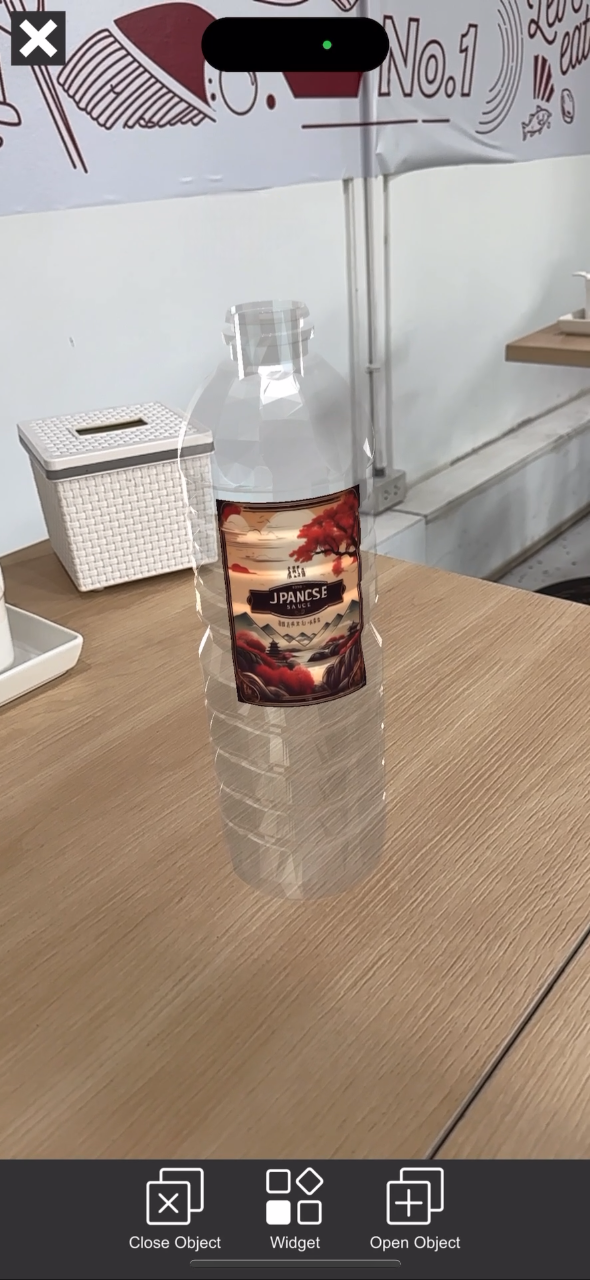
user can insert and replace graphical labels, a
nutrition fact label and even food photo on the surfaces of
the selected package design. This instant feedback helps
packaging design collaborators grasp a quick picture of the
package design before going to the manufacturing
stage.
Plus, the real-time visualization in the AR
mode helps eliminate miscommunications in the packaging
design process by offering visual feedback for
everyone in the packaging design project to see the same
picture in the real physical space.
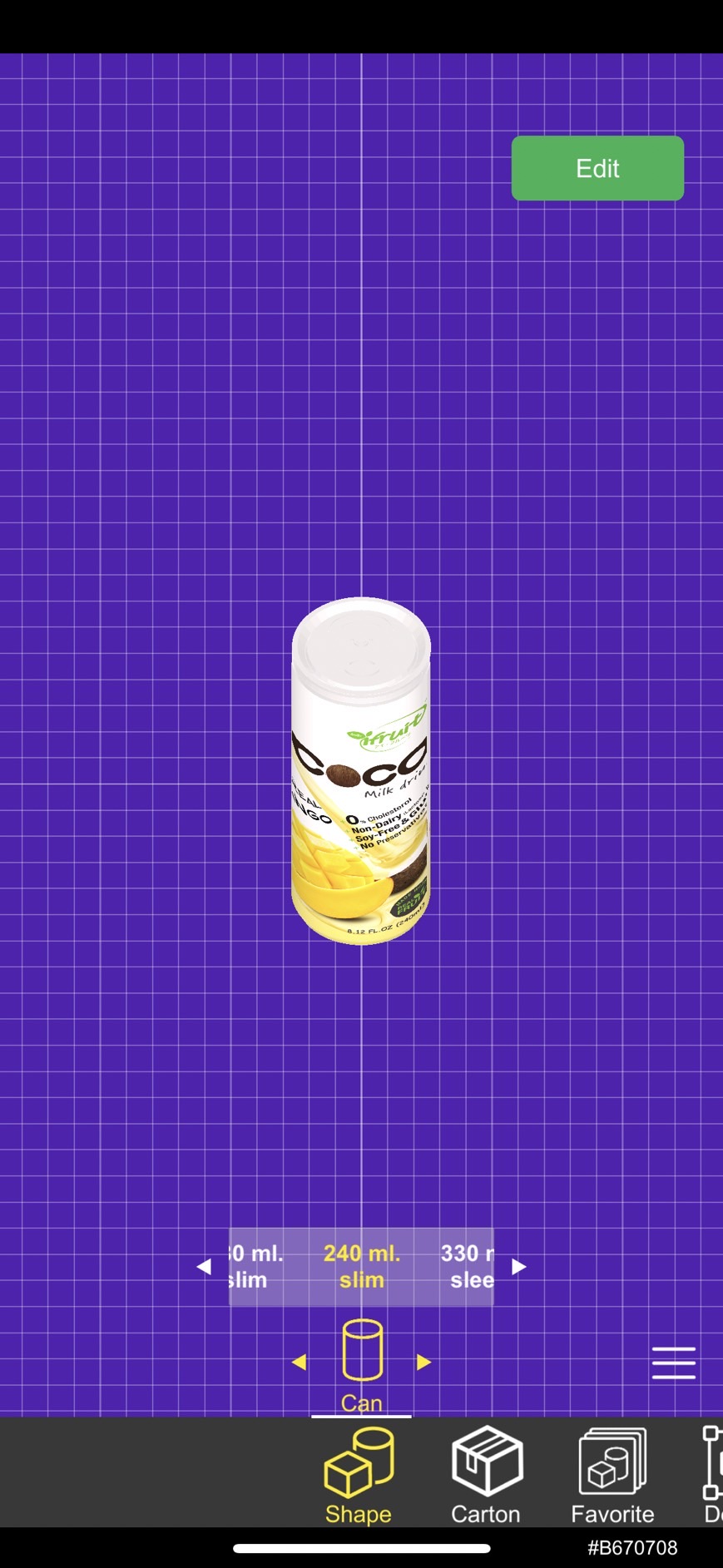
In addition, CUBIC empowers all collaborators in the design process to modify the packaging design further right on their smartphones and can share the saved version in the favourite list to other collaborators via QR card. So, everyone is at the same pace and speaks the same language.
CUBIC
provides seamless integration with the
digital spaces in Metaverse ecosystem as well as industrial
design software through automatic file
conversion system.
Currently,
CUBIC platform can export packaging design models as :
Video #3 : CAD Export to Web Viewer
Video #4 : GLB Export to Web Viewer
Video
#5 :
3D-Printed
Plastic
Tray
Video
#6 :
3D-Printed
Plastic
Bottle
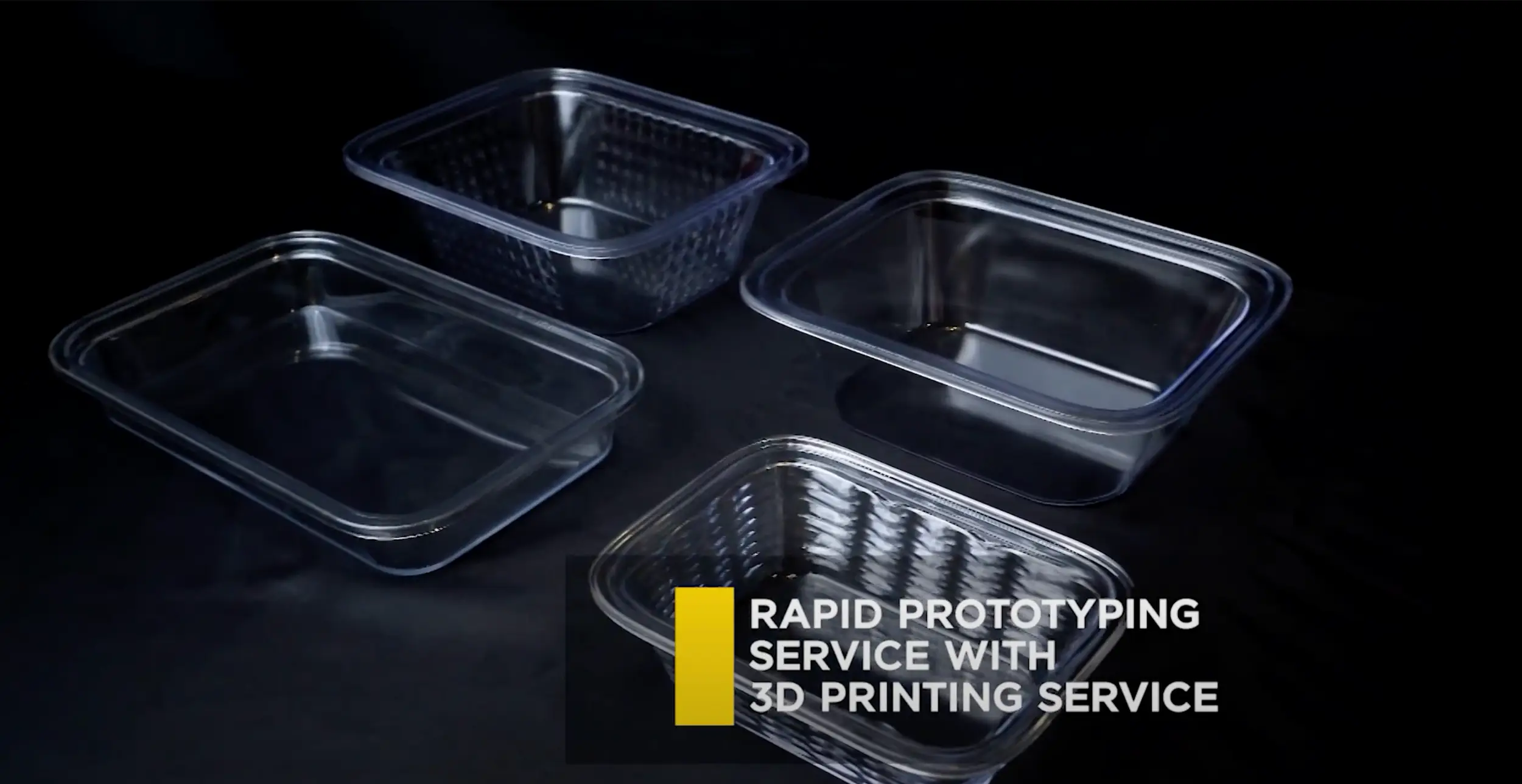
The CUBIC platform can export .STL files to compatible 3D printers for fabricating a physical prototype before proceeding to the manufacturing stage. In terms of scale and dimensions, the 3D-printed model will be identical to the digital design model on the CUBIC platform as seen in the videos.
CUBIC platform offers royalty-free packaging models including rigid plastic packaging, carton packaging, aluminium packaging and paper packaging for users to select and modify further to meet packaging design requirements.
Video #7 : 3D scanning of a real pizza
Video #8 : 3D scanning of a real garlic basket
CUBIC Object 3D Scanning allows users to turn real physical products into realistic 3D digital models by capturing the object from multiple angles.
The captured model can then be used for AR visualization and simulation, helping users evaluate packaging appropriate sizes and physical compatibility before mass production.
Importantly note that using graphics and products scanned with the CUBIC technology could infringe copyrights and trademarks. It is recommended to obtain proper permissions before using such content.
Please note that graphics and products in theses videos are for technology demonstration purpose only, which is not intended to infringe any copyrights and trademarks.
CUBIC platform empowers users to examine how the digital package design physically fit with other existing packages in their packaging design system through AR technology and physics simulation together.
With this feature, you can ensure that the handling process will run smoothly as simulated in the real working environment when the designed packages are manufactured and used in reality.
Video #9 : Packaging Design Test on Plastic Bowl
Video #10 : Packaging Design Test on Paper Box
Video #11 : Measuring Storage Space with AR Scan
Video #12 : Optimize Storage with Auto-Product Arrangement
CUBIC
leverages AR technology to help calculate storage volume
from truck containers to warehouses areas. So, packaging
designers can find optimal form of storages as well as
estimating the logistics cost before selecting the most
appropriate form of package design.
With this
feature, CUBIC
empowers platform users to examine how the package design
physically fit with the targeted storage space to ensure the
storing process will go smoothly as if users work in the
real environment.
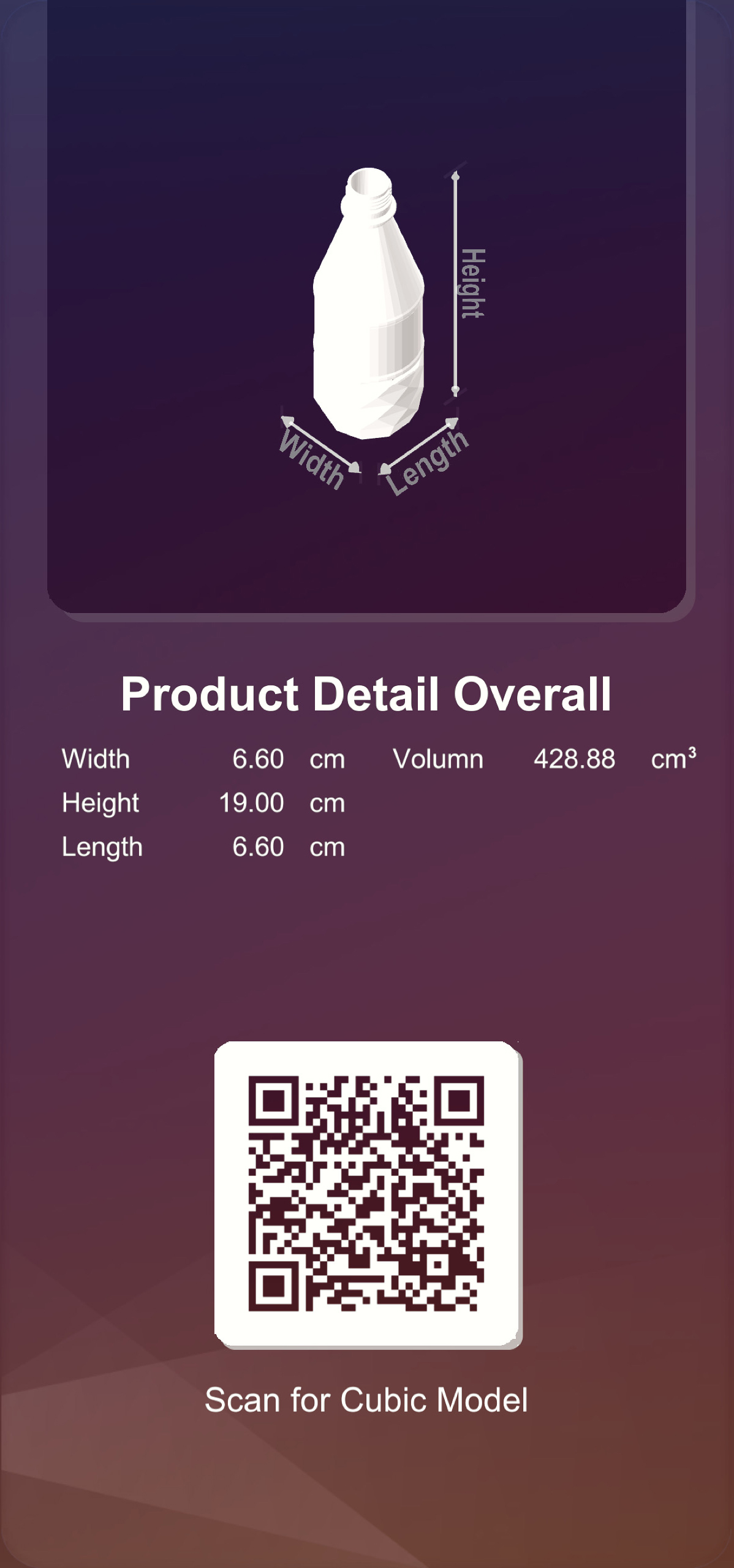
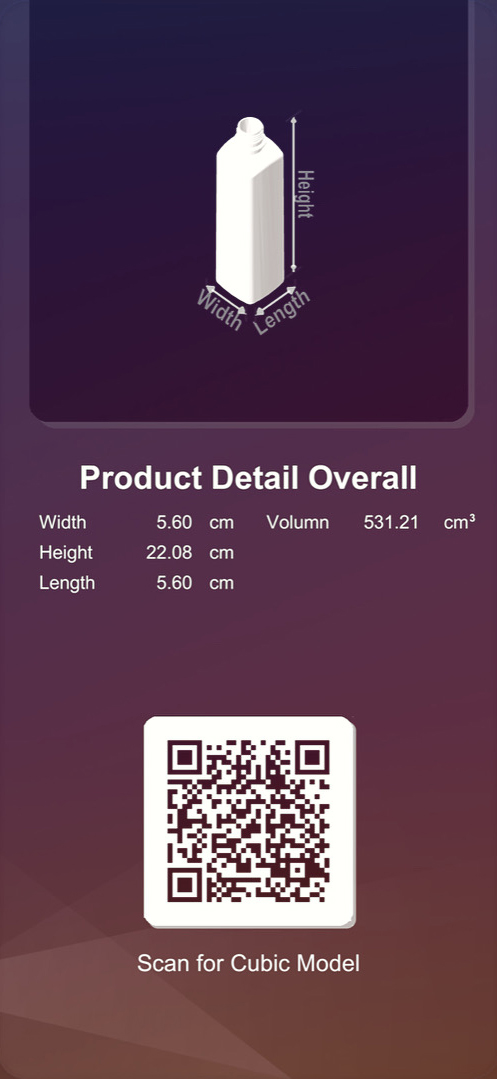
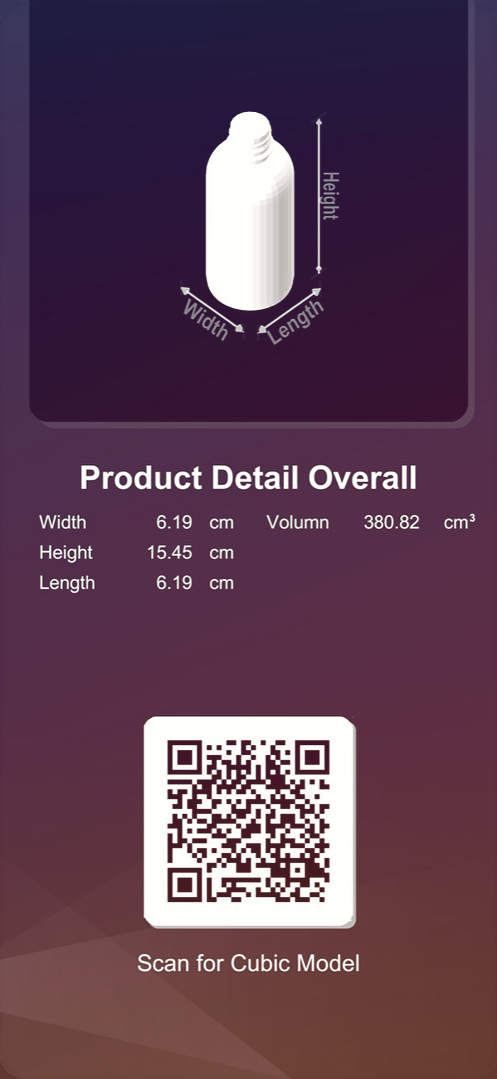
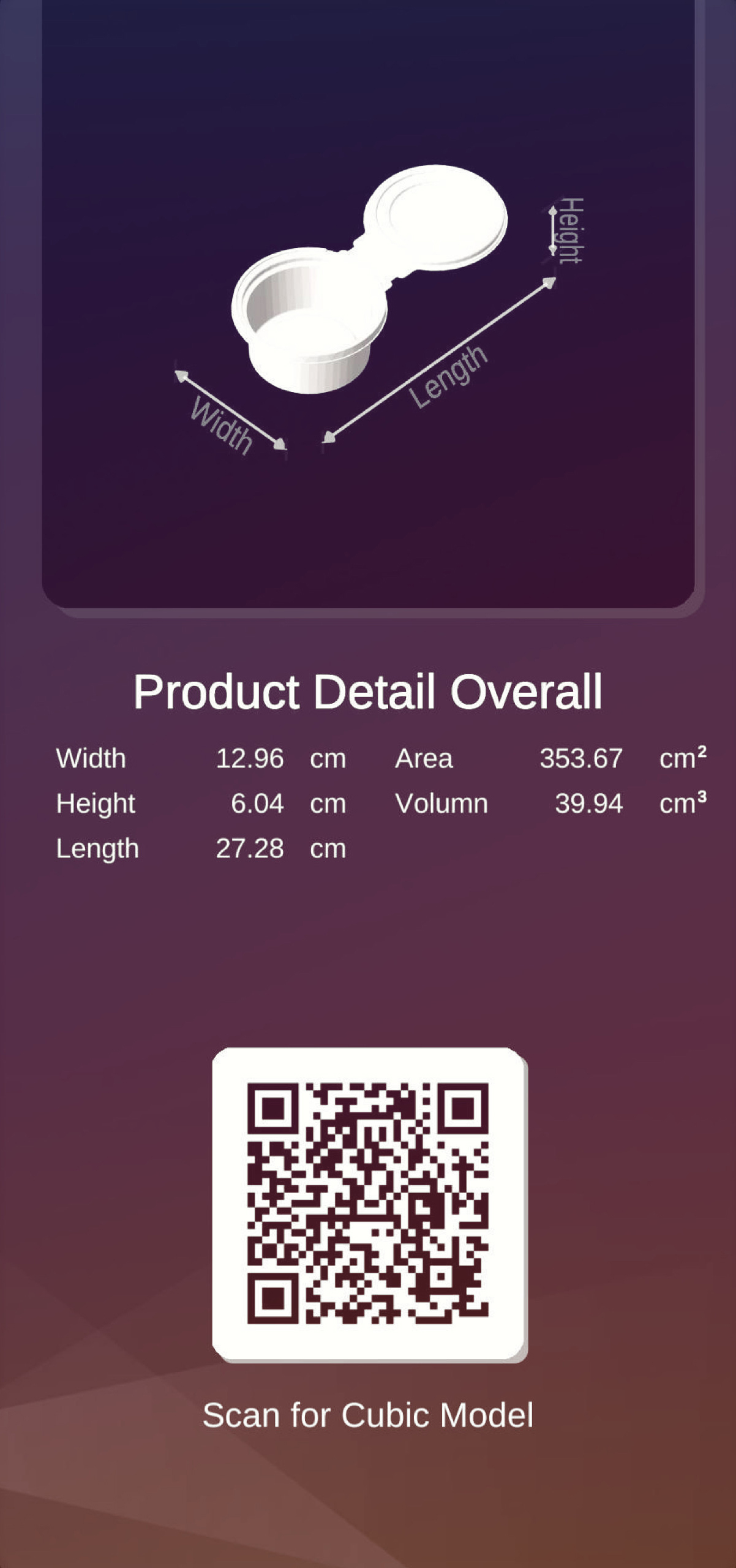
CUBIC
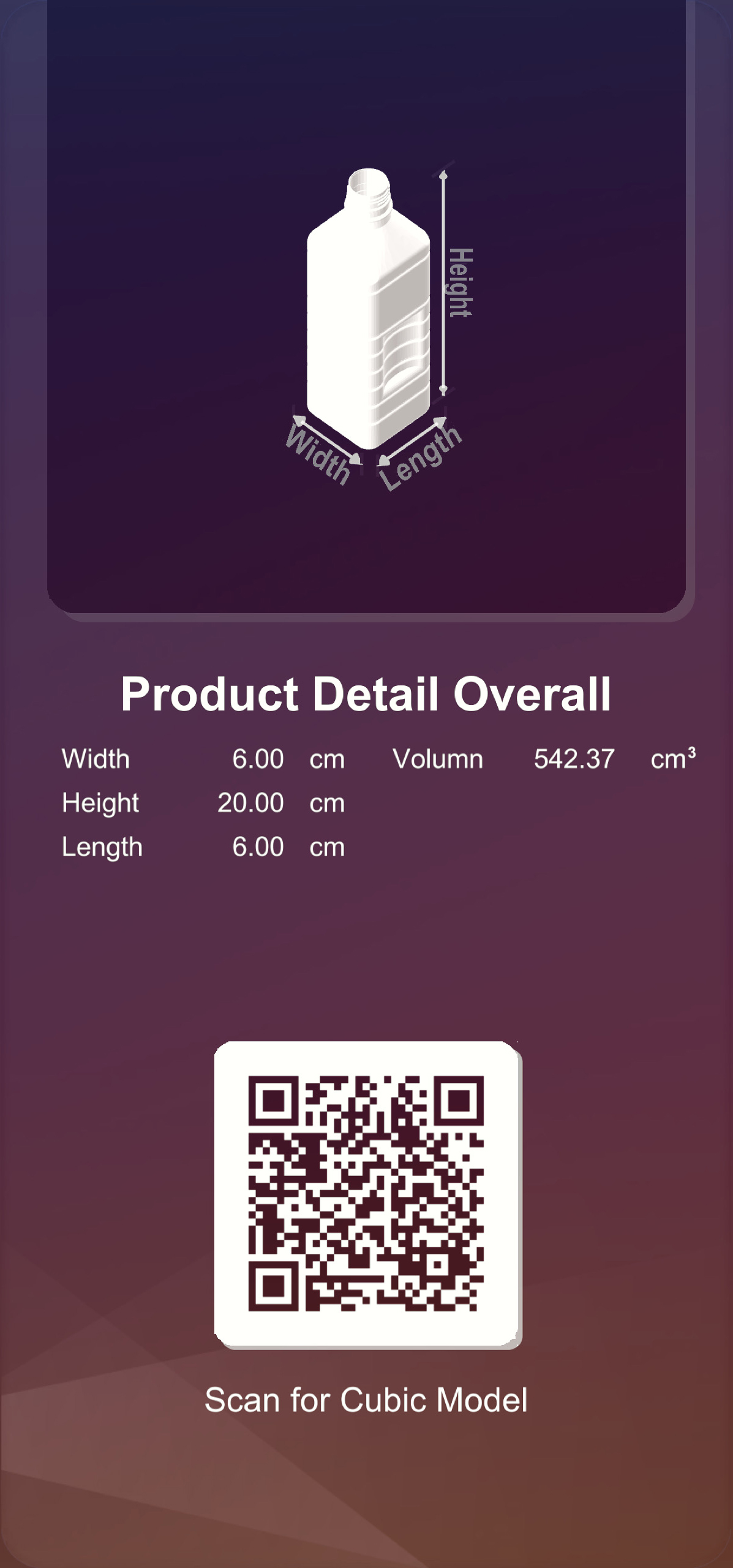
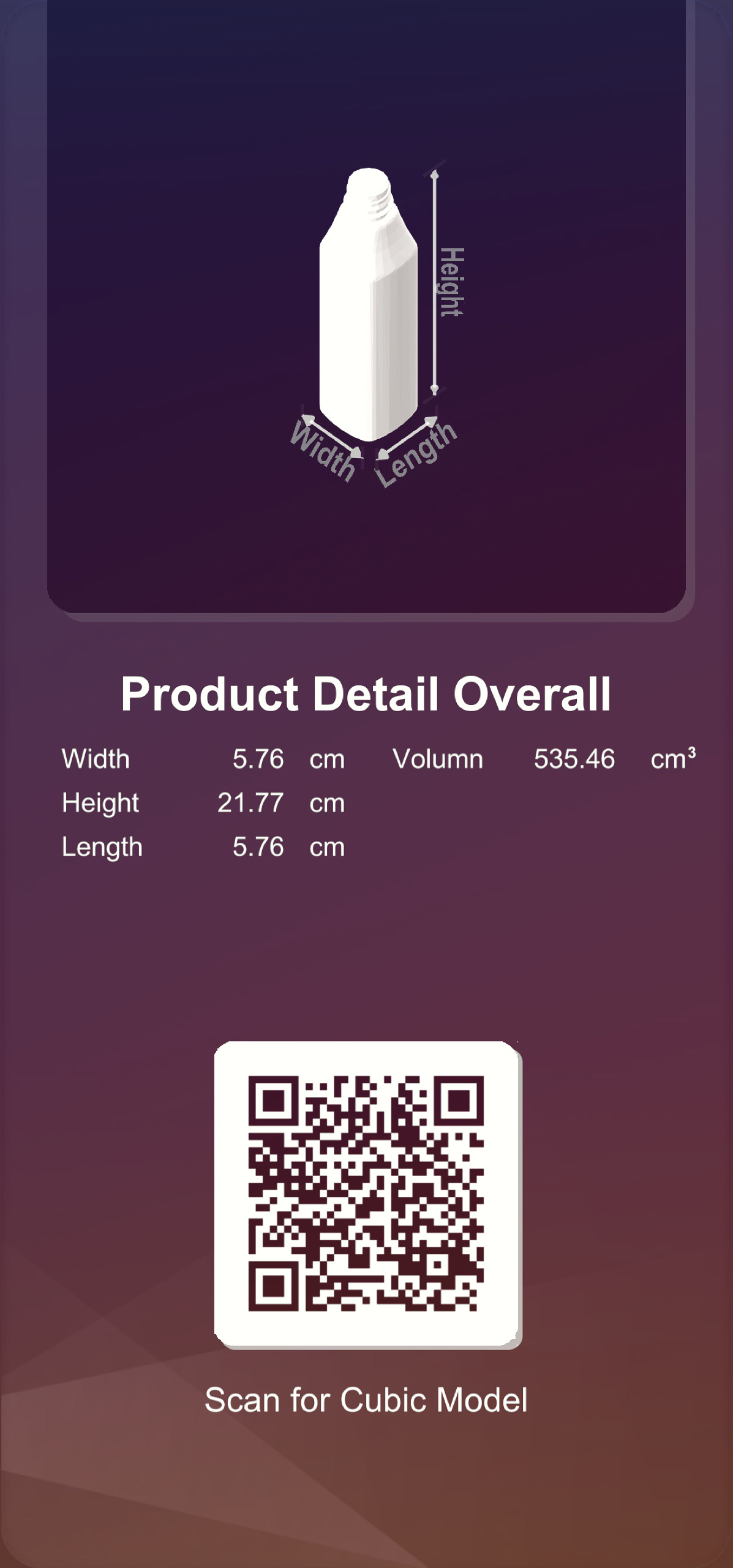
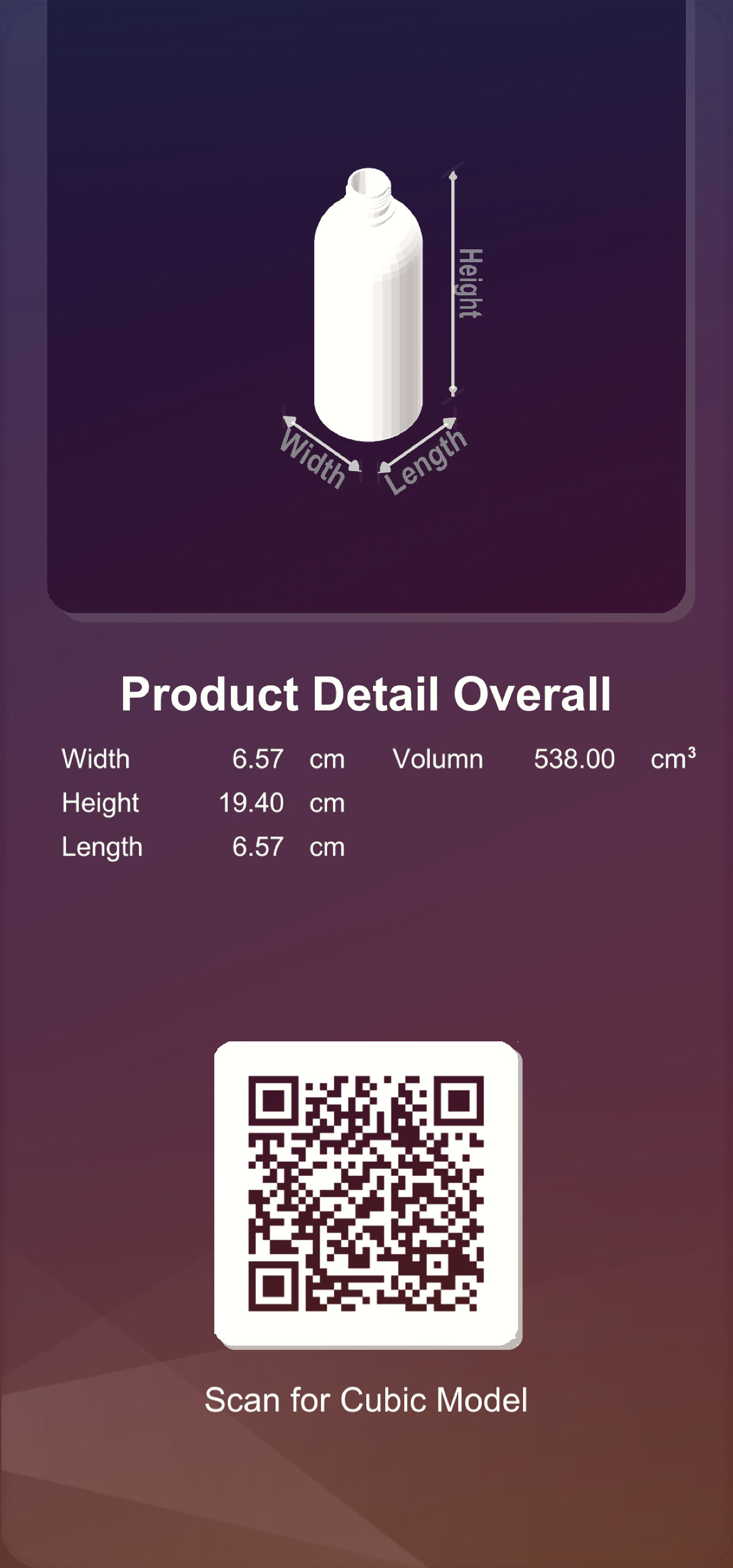
allows platform users to import any existing CAD-compatible
objects into the platform in order to generate unique QR
cards as the catalog of their products.
So, their
customers can scan the QR code and instantly visualize the
3D models of the products through AR technlogy right on
their smartphones.
Besides, customers can save all the models in their account and can visualize all the models in AR mode at once to compare the models side-by-side.
Video #13 : Importing CAD-Compatible Models from QR Card
Video #14 : CUBIC Platform Likage to Experienced Manufactures
CUBIC connects packaging design collaborators to selective manufactures who can reify the packaging concepts to industrial-scale packages with the minimum order quantity at an affordable price point :
CUBIC platform also provides additional 3D printing services upon request. By sharing QR card of the desired packaging model to the CUBIC team, the 3D printed model will be shipped to your specify location with an affordable cost in a few weeks (depending on the shipping location.)
*Platform converts CAD-compatible files to low-polygon
models, which is tested with the Metavese-like system (not
the actual Metaverse by Meta).
** The conversion
process is available for free for a limited
time
*** The system can accept some CAD-compatible files
such as STL, STEP, IGES, X_T at this time but the list of
acceptable files will be expanded.
Please note that graphics and products in the videos in this website are for technology demonstration purpose only, which is not intended to infringe any copyrights and trademarks.